Most D2C brands show the same products in the same order to every shopper. Here's why that costs you revenue, and what smarter merchandising actually looks like.
What Is E-commerce Merchandising?
74%
of shoppers feel frustrated when content or product display is not personalised to them.
— Salesforce, State of the Connected Customer
E-commerce merchandising is the practice of controlling which products are shown, how they are ordered, what gets recommended, and how shoppers are guided toward a purchase, based on who the shopper is, where they came from, and what the business needs to push right now.
In a physical retail store, a skilled merchandiser places the right products at eye level, groups complementary items together, and rotates displays based on season, stock, and margin. Online, most Shopify stores skip this. They show the same default grid to a first-time visitor from Instagram as they do to a returning customer who has already bought twice.
How is it different from personalisation?
Personalisation works at the individual level, using a shopper's history or preferences. Merchandising operates at a broader level, shaping product order, grouping, recommendations, and bundles using shopper context, business rules, and catalog logic. There is overlap, but merchandising goes beyond personalisation with rule based, admin controlled decisions.
"Most DTC brands treat collection pages like warehouse shelves — static rows, sorted once, never optimised. That isn't merchandising. It's abandonment."
Why Static Product Display Costs You Revenue

38%
of shoppers leave a site if the product layout or content feels irrelevant to them.
— Adobe / Sweor UX Research
If your website is showing the same collection order to every visitor, you're leaking revenue at three distinct points in the funnel.
Problem 1
Weak relevance
Shoppers see too many low-fit products too early - collection CTR drops before they even reach a PDP.
Problem 2
Too much choice
Broad collections create decision fatigue. Shoppers scroll, stall, and leave without progressing to product pages.
Problem 3
Weak next-step logic
Recommendations and bundles feel random. There's no logic tying what the shopper just viewed to what they see next.
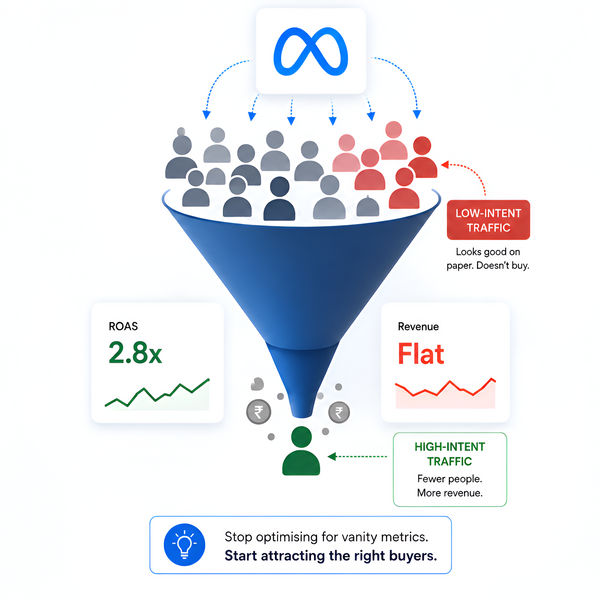
These are the default state for most Shopify stores, and they compound. A shopper who lands from a paid ad, sees products that do not match the ad’s intent, and then gets hit with unrelated recommendations is very unlikely to convert. The ad spend is wasted before the product page even loads.
What Merchandising Actually Controls
Good merchandising software does more than sort products. It controls an interconnected system across the entire store.

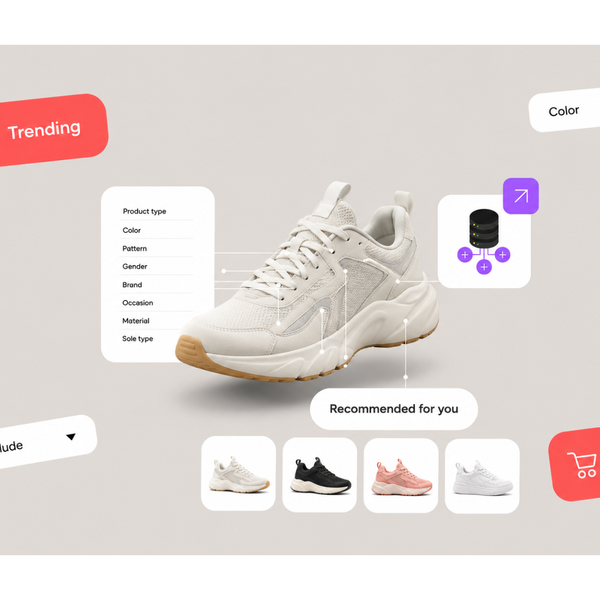
Product sets define the pool. Ranking rules decide order. Shopper context, like source or device, adapts it in real time. Surfaces include collections, product pages, and the cart.
It also manages recommendations, bundles, and tags that power grouping and control across everything.
6 E-commerce Merchandising Features That Drive Conversion and AOV
Personalised shopping
Adjusts product weighting for each session, across the entire store. A repeat premium buyer shouldn't see the same assortment as a first-time visitor from a sale campaign.
Dynamic collection ranking
Reorders collections using live context and business rules. Push hero SKUs, high-margin products, or new launches to the top, automatically, as conditions change.
Context-based sub-collections
Breaks broad collections into focused product slices. A shopper from a workwear campaign lands in a curated office wear view, not a mixed, unfocused grid.
Smart recommendations
Surfaces stronger next-product options on PDPs and cart surfaces, driven by attributes, tags, and shopper context, not static "customers also bought" logic.
Product tags automation
Automatically generates and applies tags that power grouping and control across the catalog. Keeps merchandising logic accurate as the catalog evolves.
Build your own bundle
Enables flexible bundle creation within defined rules, on PDPs, cart, or dedicated flows. Increases AOV without interrupting the buying journey.
Who Uses Merchandising Tools on Shopify?
26%
of e-commerce revenue comes from product recommendations — the core output of merchandising.
— Forrester Research
Merchandising isn't just for enterprise brands. Any Shopify store with a growing catalog and multiple shopper types benefits from it immediately.
Control what gets pushed and where, without relying on developers.
Improve collection CTR, PDP performance, and overall conversion.
Test ranking logic and measure impact across the funnel.
Get more revenue from the same traffic without adding headcount.
Keep landing experiences aligned with campaign intent, every session.
At its core, merchandising ensures the right products show up for the right shopper, at the right moment.
Frequently Asked Questions
What is e-commerce merchandising?
E-commerce merchandising is the practice of controlling how products are displayed, ordered, grouped, and recommended across a website. It ensures shoppers see the most relevant products based on their context, behaviour, and business priorities, guiding them toward a purchase.
How is e-commerce merchandising different from personalisation?
Personalisation focuses on the individual shopper, using their behaviour, preferences, or history to tailor the experience. Merchandising operates at a broader level, controlling product order, grouping, and recommendations using business rules and catalog logic. Together, they create a more relevant shopping experience.
Does e-commerce merchandising require a developer to set up?
It depends on the tool. Some platforms require developer support for setup and changes. Others allow merchandising and e-commerce teams to manage rules, ranking, and product logic through a no-code interface, enabling faster testing and iteration.
How does dynamic collection ranking differ from Shopify's default sort options?
Shopify’s default sorting applies the same logic to every visitor. Dynamic collection ranking adapts product order in real time based on shopper context such as traffic source, behaviour, device, and business priorities, making the experience more relevant for each user.
What are sub-collections and when should you use them?
Sub-collections are curated product groupings within a larger collection. They are useful when different shopper segments or campaigns need tailored views, such as workwear versus festive wear. They reduce choice overload and help shoppers find relevant products faster.
Where should brands apply merchandising first for maximum impact?
Start with high-traffic, high-intent areas like collection pages, product pages, and campaign landing pages. These are critical decision points where better product ordering and relevance can immediately improve engagement and conversion.
How do merchandising tools improve product discovery?
They surface relevant products earlier, organise collections into clearer paths, and guide shoppers through more intuitive journeys. This reduces effort, avoids overwhelm, and increases the likelihood of progressing to purchase.
Can merchandising tools improve AOV, not just conversion rate?
Yes. By surfacing complementary products, enabling bundles, and improving recommendation logic, merchandising increases basket size while also improving conversion rates. It impacts the full funnel, not just the final purchase step.