Cart abandonment in Indian e-commerce sits at 70 to 80 percent. Most brands react with discounts and retargeting. The real question is simpler — Why did the shopper hesitate in the first place?
Why Cart Abandonment Is a Bigger Problem for Indian D2C Brands
70–80%
Indian e-commerce shoppers drop off after adding to cart, with only 2–3 out of 10 completing their purchase
Cart abandonment in India behaves differently from global averages because of how people shop.
Marketplace comparison culture
Consumers constantly compare across Amazon, Flipkart, and Meesho.
Price sensitivity
Even a small shipping fee can break purchase intent entirely.
Mobile-first behavior
Friction on mobile leads to immediate drop-offs with no return.
Trust gap
Smaller D2C brands compete with established marketplace credibility.
Festive volatility
Abandonment spikes sharply during peak periods like Diwali.
COD dependency
Cash on delivery expectations create checkout complexity at scale.
The 6 Real Reasons D2C Shoppers Abandon Carts in India

Browsing, not buying
First-time visitors to a D2C site are often in discovery mode. They add to cart as a "save for later" behaviour, not purchase intent. A 10% discount email assumes intent that is not there yet.
The product page didn't answer their real question
A shopper looking at a saree adds a saree to cart, then hesitates, will the colour suit them, what does the fabric feel like, is the sizing accurate. If the product page does not answer these, the cart gets abandoned.
They found it cheaper (or thought they could)
Indian shoppers are trained to comparison-shop. If your D2C price isn't clearly justified over what's available on marketplaces, hesitation kicks in at cart.
Unexpected costs at checkout
Shipping charges, taxes, or COD fees appearing only at checkout are one of the top cart killers in India. The shopper feels misled even if the cost is standard.
The experience felt generic
A returning customer who bought ethnic wear last month sees the same generic homepage as a first-time visitor, giving them no sense of recognition. No recognition means no loyalty pull, and a higher chance of abandonment.
Poor timing on recovery messages
A retargeting ad shown 30 seconds after a shopper leaves, while they are still browsing, feels intrusive. The same ad 4 hours later, when they are making purchase decisions, converts. Generic recovery sequences ignore timing entirely.
"Most brands treat all abandonment the same. They lead with discounts, apply the same recovery flow to everyone, and try to fix the problem after the shopper leaves. Each reason requires a different response."
How AI Personalization Fixes Cart Abandonment
Personalization fixes the hesitation before the shopper ever reaches checkout.
25%
Conversion uplift via personalized product discovery
5x
CAC reduction seen in discovery-led personalization
73%
Conversion rate improvement using intent-based retargeting
Intent detection before cart
Pre-cartAI reads intent from the first interaction, pages viewed, scroll depth, categories explored, time on site, device, and more.
A high-intent shopper gets a fast, frictionless path to purchase, urgency cues, and relevant cross-sells. A low-intent browser gets discovery, inspiration, and social proof.
Personalized product pages that answer real questions
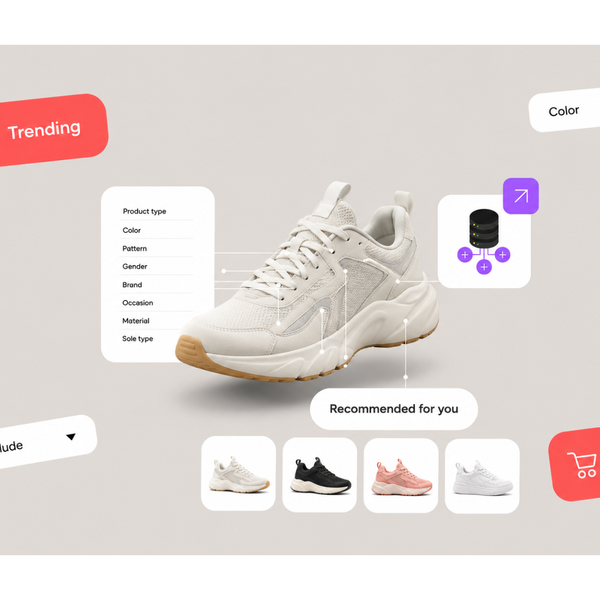
Product pageAI identifies shopper intent and adapts the product page accordingly. First-time visitors see fit guides and size charts. Returning customers see recommendations based on past purchases. Price-sensitive shoppers see bundles and value-led messaging.
Dynamic trust signals — without defaulting to discounts
TrustPersonalization surfaces the right trust signals for each visitor. Price-sensitive shoppers see free shipping thresholds, easy returns, and quality cues. Loyal customers see past purchases and rewards.
Value clarity before checkout
CheckoutShow shipping costs, COD availability, and delivery timelines directly on the product page, not just at checkout. Personalization adapts this information to the shopper's location, keeping it clear, relevant, and free of last-minute surprises.
Recognition-led experiences for returning users
RetentionA returning customer should feel it instantly. A personalized first fold, recently viewed products, preferred categories, or a simple "welcome back" signals recognition. It's a core D2C advantage that most brands underuse.
Intent-timed recovery
RecoveryAI scores each session for conversion likelihood. High-intent abandoners get immediate, relevant recovery. Low-intent users enter slower, softer nurture flows. Retargeting spend is focused where it's most likely to convert.
What Most D2C Brands Get Wrong About Cart Recovery
Defaulting to discounts
Relying on discounts trains customers to abandon on purpose and wait for an offer. It's an expensive habit. Personalization recovers revenue by addressing the real hesitation, not masking it.
Treating all abandoners the same
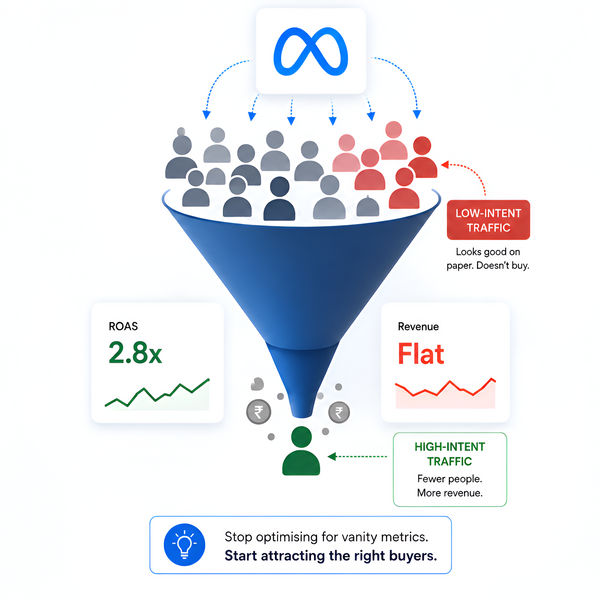
Not every drop-off is equal. A high-intent shopper who reached checkout behaves very differently from someone who bounced in seconds. Recovery should reflect intent, not treat everyone the same.
Ignoring the pre-cart experience
If shoppers reach the cart with unanswered questions, the drop-off has already begun. The real leverage is before add to cart, on landing pages, category pages, and product pages.
Personalization Checklist to Reduce Cart Abandonment
How to Get Started
Audit your current abandonment data
Where exactly in the funnel are you losing the most shoppers? Use Google Analytics or your platform's native reporting.
Identify your highest-intent abandoners
These are your fastest wins. Look for sessions with multiple product views, return visits, and near-checkout drops.
Start personalizing before the cart
Fix the product page and landing page experience first. Recovery tactics work better when the pre-cart experience has already done its job. Don't try to rescue a journey that was broken from the start.
Closing Thoughts
"Cart abandonment isn't a checkout problem, it's a relevance problem. When every shopper gets an experience tailored to their intent, hesitation has less room to grow."
The brands reducing abandonment fastest in India aren't discounting more, they're personalizing smarter. The opportunity isn't in recovering lost sessions. It's in removing the reason to leave in the first place.
Frequently Asked Questions
What is cart abandonment in e-commerce?
Cart abandonment happens when a shopper adds products to their cart but leaves without completing the purchase. It is one of the biggest sources of lost revenue for e-commerce brands, because the user has already shown intent but drops off before converting.
What is the average cart abandonment rate in India?
In India, cart abandonment typically ranges between 70 to 80 percent, meaning only 2 to 3 out of 10 shoppers complete their purchase. This is higher than global benchmarks due to price sensitivity, comparison across marketplaces, and lower trust in newer D2C brands.
Why do shoppers abandon carts on D2C websites?
Shoppers abandon carts for a mix of behavioral and experience-related reasons. These include browsing without strong intent, unanswered product questions, finding better prices elsewhere, unexpected costs at checkout, generic shopping experiences, and poorly timed recovery messages. Each of these reflects a different type of hesitation.
How can personalization reduce cart abandonment?
Personalization reduces abandonment by identifying shopper intent early and adapting the journey in real time. This includes showing relevant products, answering key concerns on product pages, surfacing pricing and delivery details upfront, and tailoring recovery journeys. The goal is to remove friction before the shopper reaches checkout.
Is discounting the best way to recover abandoned carts?
No. While discounts can drive short-term conversions, over-reliance trains customers to abandon intentionally and wait for offers. A more sustainable approach is to address the actual reason for hesitation, whether it is trust, clarity, or value perception, through personalization.
What is intent-based retargeting?
Intent-based retargeting focuses on users who show strong purchase signals, such as multiple product views or near-checkout activity. Instead of targeting everyone who abandons, it prioritizes high-intent users with timely and relevant messaging, making retargeting more efficient and effective.
Where should brands focus to reduce abandonment the most?
The highest impact comes from improving the experience before the cart stage. Optimizing landing pages, category pages, and product pages ensures shoppers get clarity, confidence, and relevance early, reducing drop-offs downstream and improving overall conversion quality.
How quickly can personalization impact conversions?
Brands implementing personalization often see measurable improvements within weeks. This can include higher conversion rates, increased revenue per visitor, and reduced customer acquisition costs, sometimes within the first 4 weeks of deployment.